 The Affluent Society
Score Classic
What it's about
In 1958, John Kenneth Galbraith, an economist, argued that America had become rich but was still running its economy as if it were poor: obsessed with producing ever more private goods while neglecting public needs like schools, parks and clean air, which he called private affluence and public squalor.
Why it's worth reading
It's on both the Modern Library and Guardian lists of the best nonfiction. It coined the phrase 'conventional wisdom'.
You'll love it if you liked
 Capital in the Twenty-First Century
 Poverty, by America
 No Logo
Good to know
It's witty and readable, though its examples are from the 1950s.
By the numbers
- Readers45 out of 100 · counts 42%
- Critics80 out of 100 · counts 34% (its stronger lane)
- Bestseller0 out of 100 · counts 14%
- Buzz0 out of 100 · counts 10%
Critics and Bestseller are two ways to earn a place: a book's stronger one counts more. Buzz rewards recent bestseller weeks and prizes, so older books start at zero. The parts combine into the Must-Read Score, shown on a scale where the best book we found scores 99 and the last book to make the ranking scores 50.
On our reserve shelf: it doesn't have enough readers yet for us to rank it alongside the Must-Read 50 pool. We check again every month, and it can still turn up in your 50 once you've read most of our ranked books.
Why it made the list
Reads as
True story
If you like this, read next
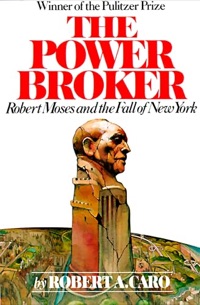 The Power Broker: Robert Moses and the Fall of New York
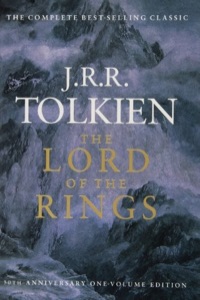 The Lord of the Rings
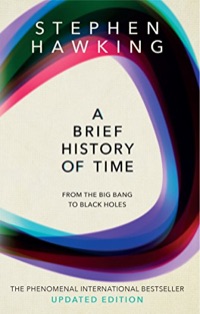 A Brief History of Time
 The Rise and Fall of the Third Reich: A History of Nazi Germany
 Battle Cry of Freedom: The Civil War Era
 Cosmos
Explore the best-of lists
All 36 best-of lists →













Quick answers
Is The Affluent Society worth reading?
It's on both the Modern Library and Guardian lists of the best nonfiction. Its Must-Read Score is 72.4 (the best book we found scores 99).
What is The Affluent Society about?
In 1958, John Kenneth Galbraith, an economist, argued that America had become rich but was still running its economy as if it were poor: obsessed with producing ever more private goods while neglecting public needs like schools, parks and clean air, which he called private affluence and public squalor.
How long does it take to read The Affluent Society?
About 7 hours (291 pages), or about 2 weeks at 30 minutes a day.
What should I read after The Affluent Society?
If you liked it, try Capital in the Twenty-First Century by Thomas Piketty, Poverty, by America by Matthew Desmond or No Logo by Naomi Klein.