 Battle Cry of Freedom: The Civil War Era
Score Classic
What it's about
The single best history of the American Civil War, covering the whole era from the Mexican War in 1846 through Lincoln's assassination in 1865. James McPherson weaves together the politics that tore the country apart (slavery's expansion, the Dred Scott decision, John Brown's raid, Lincoln's election), the military campaigns and the lives of soldiers and civilians, explaining both why the war happened and why the North won.
Why it's worth reading
It won the Pulitzer Prize and has been the standard one-volume history for decades because it's both authoritative and genuinely gripping. If you read one book on the Civil War, this is the one.
You'll love it if you liked
 Team of Rivals: The Political Genius of Abraham Lincoln
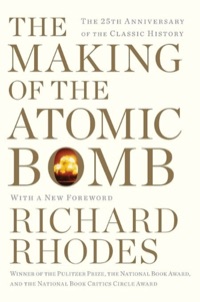 The Making of the Atomic Bomb
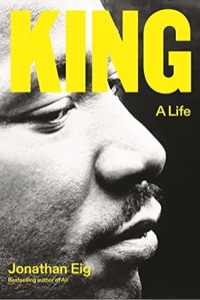 King: A Life
Good to know
It's nearly 900 pages and detailed, but organized clearly by year. Maps help with the battle chapters.
By the numbers
- Readers98 out of 100 · counts 42%
- Critics88 out of 100 · counts 34% (its stronger lane)
- Bestseller16 out of 100 · counts 14%
- Buzz0 out of 100 · counts 10%
Critics and Bestseller are two ways to earn a place: a book's stronger one counts more. Buzz rewards recent bestseller weeks and prizes, so older books start at zero. The parts combine into the Must-Read Score, shown on a scale where the best book we found scores 99 and the last book to make the ranking scores 50.
Where it ranks
Why it made the list
Reads as
True story, Epic
If you like this, read next
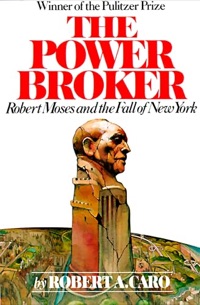 The Power Broker: Robert Moses and the Fall of New York
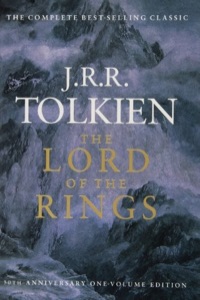 The Lord of the Rings
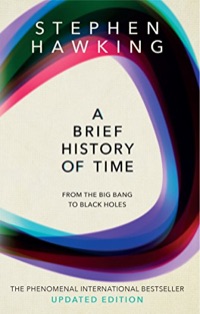 A Brief History of Time
 The Rise and Fall of the Third Reich: A History of Nazi Germany
 Cosmos
 East of Eden
Explore the best-of lists
All 36 best-of lists →









Quick answers
Is Battle Cry of Freedom: The Civil War Era worth reading?
Yes. It won the Pulitzer Prize and has been the standard one-volume history for decades because it's both authoritative and genuinely gripping. It ranks #57 of the 2,816 books in our ranking, with a Must-Read Score of 88.6 (the best book we found scores 99).
What is Battle Cry of Freedom: The Civil War Era about?
The single best history of the American Civil War, covering the whole era from the Mexican War in 1846 through Lincoln's assassination in 1865. James McPherson weaves together the politics that tore the country apart (slavery's expansion, the Dred Scott decision, John Brown's raid, Lincoln's election), the military campaigns and the lives of soldiers and civilians, explaining both why the war happened and why the North won.
How long does it take to read Battle Cry of Freedom: The Civil War Era?
About 22 hours (867 pages), or about 6 weeks at 30 minutes a day.
What awards has Battle Cry of Freedom: The Civil War Era won?
Pulitzer Prize (History) winner (1989).
What should I read after Battle Cry of Freedom: The Civil War Era?
If you liked it, try Team of Rivals: The Political Genius of Abraham Lincoln by Doris Kearns Goodwin, The Making of the Atomic Bomb by Richard Rhodes or King: A Life by Jonathan Eig.