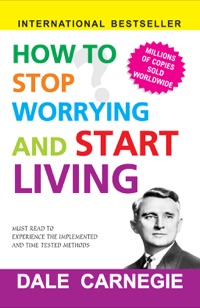
 How to Stop Worrying and Start Living
Score Classic
What it's about
Dale Carnegie, the author of How to Win Friends and Influence People, collects practical advice on beating worry, drawn from his adult students and the lives of famous people. His tools include living in day-tight compartments, asking what the worst that could happen is and accepting it, keeping busy, and not fretting over things that can't be changed.
Why it's worth reading
It spent 14 weeks at #1 on the New York Times list and has helped millions of readers. Its advice anticipates a lot of modern cognitive therapy, and it's still useful.
You'll love it if you liked
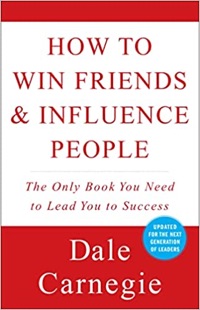 How to Win Friends and Influence People
 The Autobiography of Benjamin Franklin
 A Grief Observed
Good to know
It's from the 1940s, and many of its stories and examples feel dated. Updated editions trim some of them.
By the numbers
- Readers72 out of 100 · counts 42%
- Critics0 out of 100 · counts 14%
- Bestseller66 out of 100 · counts 34% (its stronger lane)
- Buzz0 out of 100 · counts 10%
Critics and Bestseller are two ways to earn a place: a book's stronger one counts more. Buzz rewards recent bestseller weeks and prizes, so older books start at zero. The parts combine into the Must-Read Score, shown on a scale where the best book we found scores 99 and the last book to make the ranking scores 50.
Where it ranks
- #28 of the 85 self-help and business books we rank
- #45 of the 119 science and ideas books we rank
- #210 of the 762 classics we rank
- #663 of the 2,816 books we rank
Why it made the list
Reads as
Thought-provoking, Practical
More by Dale Carnegie
If you like this, read next
 The General Theory of Employment, Interest, and Money
 I'm Ok--You're Ok: A Practical Guide to Transactional Analysis
 The Lord of the Rings
 A Brief History of Time
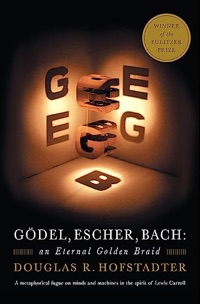 Gödel, Escher, Bach: An Eternal Golden Braid
 Cosmos
Explore the best-of lists
All 36 best-of lists →
 Science and ideas booksTop 25 · 119 ranked
 Self-help and business booksTop 25 · 85 ranked
 Classic booksTop 25 · 762 ranked

 Books of the 1940sTop 25 · 50 ranked

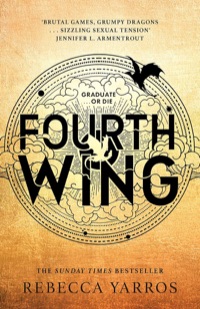 Fantasy booksTop 25 · 459 ranked
 Mysteries and thrillersTop 25 · 555 ranked
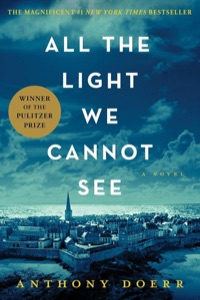
 Literary novelsTop 25 · 309 ranked

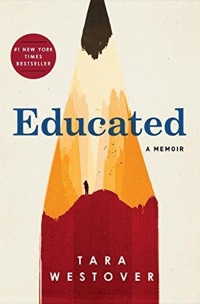
 Memoirs and biographiesTop 25 · 290 ranked
Quick answers
Is How to Stop Worrying and Start Living worth reading?
Yes. It spent 14 weeks at #1 on the New York Times list and has helped millions of readers. It ranks #663 of the 2,816 books in our ranking, with a Must-Read Score of 76.5 (the best book we found scores 99).
What is How to Stop Worrying and Start Living about?
Dale Carnegie, the author of How to Win Friends and Influence People, collects practical advice on beating worry, drawn from his adult students and the lives of famous people. His tools include living in day-tight compartments, asking what the worst that could happen is and accepting it, keeping busy, and not fretting over things that can't be changed.
How long does it take to read How to Stop Worrying and Start Living?
About 10 hours (389 pages), or about 3 weeks at 30 minutes a day.
What should I read after How to Stop Worrying and Start Living?
If you liked it, try How to Win Friends and Influence People by Dale Carnegie, The Autobiography of Benjamin Franklin by Benjamin Franklin or A Grief Observed by CS Lewis.