 The Denial of Death
Score Classic
What it's about
Ernest Becker argues that the fear of death is the central fact of human life. Because we can't bear knowing we will die, we build 'immortality projects', from religion and nations to careers and children, that let us feel part of something that lasts. He draws on Freud, Otto Rank and Kierkegaard to explain how this fear shapes everything from heroism to mental illness to war.
Why it's worth reading
It won the Pulitzer Prize, shortly before Becker's own death. It's a challenging, life-changing book that many readers return to.
You'll love it if you liked
 The Death of Ivan Ilyich
 The Varieties of Religious Experience
 A Grief Observed
Good to know
It's dense and academic in places, especially its chapters on Freud.
By the numbers
- Readers52 out of 100 · counts 42%
- Critics67 out of 100 · counts 34% (its stronger lane)
- Bestseller23 out of 100 · counts 14%
- Buzz0 out of 100 · counts 10%
Critics and Bestseller are two ways to earn a place: a book's stronger one counts more. Buzz rewards recent bestseller weeks and prizes, so older books start at zero. The parts combine into the Must-Read Score, shown on a scale where the best book we found scores 99 and the last book to make the ranking scores 50.
Where it ranks
Why it made the list
Reads as
Thought-provoking
If you like this, read next
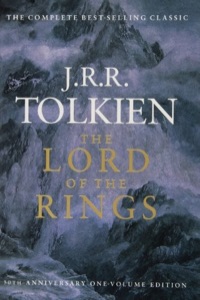 The Lord of the Rings
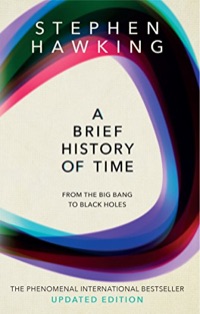 A Brief History of Time
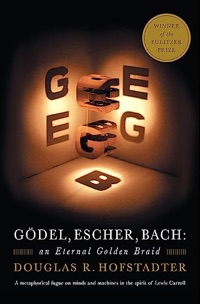 Gödel, Escher, Bach: An Eternal Golden Braid
 Cosmos
 The Right Stuff
 Sophie's Choice
Explore the best-of lists
All 36 best-of lists →












Quick answers
Is The Denial of Death worth reading?
Yes. It won the Pulitzer Prize, shortly before Becker's own death. It ranks #931 of the 2,816 books in our ranking, with a Must-Read Score of 73.7 (the best book we found scores 99).
What is The Denial of Death about?
Ernest Becker argues that the fear of death is the central fact of human life. Because we can't bear knowing we will die, we build 'immortality projects', from religion and nations to careers and children, that let us feel part of something that lasts. He draws on Freud, Otto Rank and Kierkegaard to explain how this fear shapes everything from heroism to mental illness to war.
How long does it take to read The Denial of Death?
About 8 hours (336 pages), or about 2 weeks at 30 minutes a day.
What awards has The Denial of Death won?
Pulitzer Prize (General Nonfiction) winner (1974).
What should I read after The Denial of Death?
If you liked it, try The Death of Ivan Ilyich by Leo Tolstoy, The Varieties of Religious Experience by William James or A Grief Observed by CS Lewis.