 The Beak of the Finch: A Story of Evolution in Our Time
Score Modern
What it's about
For twenty years the biologists Peter and Rosemary Grant returned to Daphne Major, a tiny island in the Galápagos, to catch and measure every finch on it. When a drought struck, they watched the birds with bigger beaks survive and pass those beaks on, and saw natural selection happening not over millions of years but in a single generation. Jonathan Weiner follows their work and what it reveals about evolution everywhere.
Why it's worth reading
It won the Pulitzer Prize for nonfiction. It makes evolution something you can see happening, and it reads like an adventure story about two scientists and a rock in the ocean.
You'll love it if you liked
 On the Origin of Species
 The Selfish Gene
 The Sixth Extinction: An Unnatural History
Good to know
No science background is needed. It came out in 1994, so some of the later chapters on medicine and resistance are a little dated.
By the numbers
- Readers76 out of 100 · counts 42%
- Critics67 out of 100 · counts 34% (its stronger lane)
- Bestseller3 out of 100 · counts 14%
- Buzz0 out of 100 · counts 10%
Critics and Bestseller are two ways to earn a place: a book's stronger one counts more. Buzz rewards recent bestseller weeks and prizes, so older books start at zero. The parts combine into the Must-Read Score, shown on a scale where the best book we found scores 99 and the last book to make the ranking scores 50.
Where it ranks
- #35 of the 119 science and ideas books we rank
- #276 of the 1,573 modern books we rank
- #547 of the 2,816 books we rank
Why it made the list
Reads as
True story, Thought-provoking
If you like this, read next
 A Game of Thrones
 The Emperor of All Maladies: A Biography of Cancer
 The Body Keeps the Score
 The Fifth Season
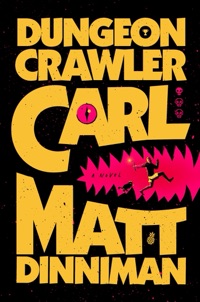 Dungeon Crawler Carl
 When Breath Becomes Air
Explore the best-of lists
All 36 best-of lists → Science and ideas booksTop 25 · 119 ranked
 Modern booksTop 25 · 1,573 ranked
 Books of the 1990sTop 25 · 273 ranked
 Fantasy booksTop 25 · 459 ranked

 Mysteries and thrillersTop 25 · 555 ranked


 Literary novelsTop 25 · 309 ranked
 Memoirs and biographiesTop 25 · 290 ranked

 Science fiction booksTop 25 · 313 ranked
Quick answers
Is The Beak of the Finch: A Story of Evolution in Our Time worth reading?
Yes. It won the Pulitzer Prize for nonfiction. It ranks #547 of the 2,816 books in our ranking, with a Must-Read Score of 77.8 (the best book we found scores 99).
What is The Beak of the Finch: A Story of Evolution in Our Time about?
For twenty years the biologists Peter and Rosemary Grant returned to Daphne Major, a tiny island in the Galápagos, to catch and measure every finch on it. When a drought struck, they watched the birds with bigger beaks survive and pass those beaks on, and saw natural selection happening not over millions of years but in a single generation. Jonathan Weiner follows their work and what it reveals about evolution everywhere.
How long does it take to read The Beak of the Finch: A Story of Evolution in Our Time?
About 8 hours (332 pages), or about 2 weeks at 30 minutes a day.
What awards has The Beak of the Finch: A Story of Evolution in Our Time won?
Pulitzer Prize (General Nonfiction) winner (1995).
What should I read after The Beak of the Finch: A Story of Evolution in Our Time?
If you liked it, try On the Origin of Species by Charles Darwin, The Selfish Gene by Richard Dawkins or The Sixth Extinction: An Unnatural History by Elizabeth Kolbert.