 Imagined Communities
Score Classic
What it's about
What are the imagined communities that make people willing to kill or die for a nation? Benedict Anderson traces how the idea of nationhood began in the Americas, was taken up by popular movements in 19th-century Europe, and became the rallying cry of both anti-imperialism and colonialism, showing how print, language and culture created the sense of belonging we call a nation.
Why it's worth reading
It's on TIME's list of the 100 best nonfiction books. It's one of the most influential works of social science ever written, cited across history, politics and anthropology.
You'll love it if you liked
 Understanding Media
 Orientalism
 Guns, Germs, and Steel: The Fates of Human Societies
Good to know
It's academic and dense, but short. Its central idea is easy to grasp and hard to forget.
By the numbers
- Readers72 out of 100 · counts 42%
- Critics59 out of 100 · counts 34% (its stronger lane)
- Bestseller13 out of 100 · counts 14%
- Buzz0 out of 100 · counts 10%
Critics and Bestseller are two ways to earn a place: a book's stronger one counts more. Buzz rewards recent bestseller weeks and prizes, so older books start at zero. The parts combine into the Must-Read Score, shown on a scale where the best book we found scores 99 and the last book to make the ranking scores 50.
Where it ranks
- #109 of the 198 history books we rank
- #222 of the 762 classics we rank
- #697 of the 2,816 books we rank
Why it made the list
Reads as
True story, Thought-provoking
If you like this, read next
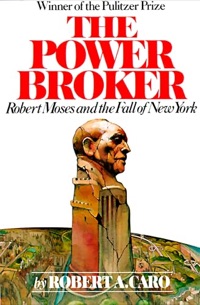 The Power Broker: Robert Moses and the Fall of New York
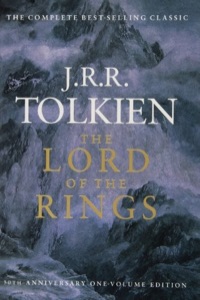 The Lord of the Rings
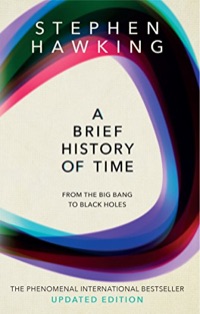 A Brief History of Time
 The Rise and Fall of the Third Reich: A History of Nazi Germany
 Battle Cry of Freedom: The Civil War Era
 Cosmos
Explore the best-of lists
All 36 best-of lists →












Quick answers
Is Imagined Communities worth reading?
Yes. It's on TIME's list of the 100 best nonfiction books. It ranks #697 of the 2,816 books in our ranking, with a Must-Read Score of 76.1 (the best book we found scores 99).
What is Imagined Communities about?
What are the imagined communities that make people willing to kill or die for a nation? Benedict Anderson traces how the idea of nationhood began in the Americas, was taken up by popular movements in 19th-century Europe, and became the rallying cry of both anti-imperialism and colonialism, showing how print, language and culture created the sense of belonging we call a nation.
How long does it take to read Imagined Communities?
About 4 hours (160 pages), or about 8 days at 30 minutes a day.
What should I read after Imagined Communities?
If you liked it, try Understanding Media by Marshall Mcluhan, Orientalism by Edward Said or Guns, Germs, and Steel: The Fates of Human Societies by Jared Diamond.