 Chernobyl: The History of a Nuclear Catastrophe
Score Modern
What it's about
Serhii Plokhy, a Harvard historian who grew up in Ukraine, tells the full history of the Chernobyl disaster: the building of the plant, the flawed reactor design, the night of April 26, 1986, when a safety test went wrong and the reactor exploded, and the weeks of fires, evacuations and cover-ups that followed. He shows how the disaster exposed the failings of the Soviet system and helped bring about its collapse.
Why it's worth reading
It won the Baillie Gifford Prize for nonfiction. It's the definitive history of the disaster, drawing on archives opened after the fall of the Soviet Union.
You'll love it if you liked
 Voices From Chernobyl: The Oral History of a Nuclear Disaster
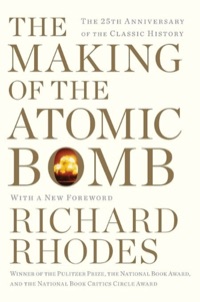 The Making of the Atomic Bomb
 The Sixth Extinction: An Unnatural History
Good to know
There's some technical detail about reactors, which is clearly explained. Alexievich's Voices from Chernobyl is the human side of the same story.
By the numbers
- Readers85 out of 100 · counts 42%
- Critics54 out of 100 · counts 34% (its stronger lane)
- Bestseller10 out of 100 · counts 14%
- Buzz7 out of 100 · counts 10%
Critics and Bestseller are two ways to earn a place: a book's stronger one counts more. Buzz rewards recent bestseller weeks and prizes, so older books start at zero. The parts combine into the Must-Read Score, shown on a scale where the best book we found scores 99 and the last book to make the ranking scores 50.
Where it ranks
- #29 of the 119 science and ideas books we rank
- #88 of the 198 history books we rank
- #249 of the 1,573 modern books we rank
- #495 of the 2,816 books we rank
Why it made the list
Reads as
True story, Thought-provoking
If you like this, read next
 The Big Short: Inside the Doomsday Machine
 How to Be an Antiracist
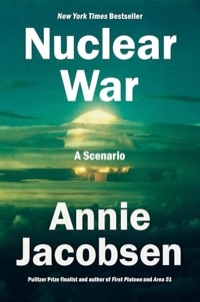 Nuclear War: A Scenario
 Poverty, by America
 Liar's Poker: Rising Through the Wreckage on Wall Street
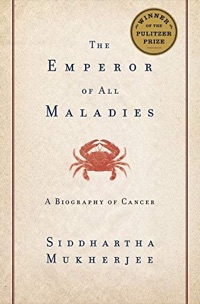 The Emperor of All Maladies: A Biography of Cancer
Explore the best-of lists
All 36 best-of lists →






Quick answers
Is Chernobyl: The History of a Nuclear Catastrophe worth reading?
Yes. It won the Baillie Gifford Prize for nonfiction. It ranks #495 of the 2,816 books in our ranking, with a Must-Read Score of 78.5 (the best book we found scores 99).
What is Chernobyl: The History of a Nuclear Catastrophe about?
Serhii Plokhy, a Harvard historian who grew up in Ukraine, tells the full history of the Chernobyl disaster: the building of the plant, the flawed reactor design, the night of April 26, 1986, when a safety test went wrong and the reactor exploded, and the weeks of fires, evacuations and cover-ups that followed. He shows how the disaster exposed the failings of the Soviet system and helped bring about its collapse.
How long does it take to read Chernobyl: The History of a Nuclear Catastrophe?
About 10 hours (404 pages), or about 3 weeks at 30 minutes a day.
What awards has Chernobyl: The History of a Nuclear Catastrophe won?
Baillie Gifford Prize winner (2018).
What should I read after Chernobyl: The History of a Nuclear Catastrophe?
If you liked it, try Voices From Chernobyl: The Oral History of a Nuclear Disaster by Svetlana Alexievich, The Making of the Atomic Bomb by Richard Rhodes or The Sixth Extinction: An Unnatural History by Elizabeth Kolbert.