 The Information: A History, a Theory, a Flood
Score Modern
What it's about
James Gleick tells the history of information, beginning with African talking drums that sent complex messages between villages, through writing, the telegraph and the telephone, to Claude Shannon's information theory and the flood of data we live in now.
Why it's worth reading
It was a National Book Critics Circle Award finalist. It's an ambitious, fascinating book that connects language, codes, genetics and computers.
You'll love it if you liked
 Chaos: Making a New Science
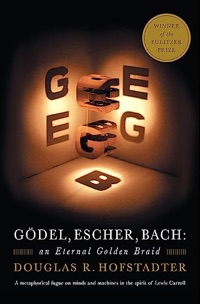 Gödel, Escher, Bach: An Eternal Golden Braid
 A Short History of Nearly Everything
Good to know
It's long and gets technical in places, but Gleick explains well.
By the numbers
- Readers76 out of 100 · counts 42%
- Critics24 out of 100 · counts 14%
- Bestseller42 out of 100 · counts 34% (its stronger lane)
- Buzz1 out of 100 · counts 10%
Critics and Bestseller are two ways to earn a place: a book's stronger one counts more. Buzz rewards recent bestseller weeks and prizes, so older books start at zero. The parts combine into the Must-Read Score, shown on a scale where the best book we found scores 99 and the last book to make the ranking scores 50.
Where it ranks
- #434 of the 1,573 modern books we rank
- #836 of the 2,816 books we rank
Why it made the list
More by James Gleick
 Genius: The Life and Science of Richard FeynmanChaos: Making a New Science
 Isaac Newton
If you like this, read next
Explore the best-of lists
All 36 best-of lists →









Quick answers
Is The Information: A History, a Theory, a Flood worth reading?
Yes. It was a National Book Critics Circle Award finalist. It ranks #836 of the 2,816 books in our ranking, with a Must-Read Score of 74.6 (the best book we found scores 99).
What is The Information: A History, a Theory, a Flood about?
James Gleick tells the history of information, beginning with African talking drums that sent complex messages between villages, through writing, the telegraph and the telephone, to Claude Shannon's information theory and the flood of data we live in now.
How long does it take to read The Information: A History, a Theory, a Flood?
About 14 hours (544 pages), or about 4 weeks at 30 minutes a day.
What should I read after The Information: A History, a Theory, a Flood?
If you liked it, try Chaos: Making a New Science by James Gleick, Gödel, Escher, Bach: An Eternal Golden Braid by Douglas Hofstadter or A Short History of Nearly Everything by Bill Bryson.