 A Short History of Nearly Everything
Score Modern
What it's about
Bill Bryson realized he knew almost nothing about the planet he lived on, so he set out to learn: how the universe began, how we weighed the Earth, what atoms are, how life started, how the continents move and how humans came to be. He tells it through the scientists who figured it out, many of them wonderfully eccentric.
Why it's worth reading
It was a finalist for the Samuel Johnson Prize and is one of the most popular science books ever written. It's funny, clear and full of wonder.
You'll love it if you liked
 A Walk in the Woods: Rediscovering America on the Appalachian Trail
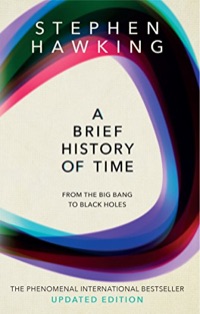 A Brief History of Time
 The Selfish Gene
Good to know
It's long but easy to read in pieces. Some of the science is from 2003 and has moved on. The illustrated edition is lovely.
By the numbers
- Readers82 out of 100 · counts 42%
- Critics24 out of 100 · counts 14%
- Bestseller37 out of 100 · counts 34% (its stronger lane)
- Buzz0 out of 100 · counts 10%
Critics and Bestseller are two ways to earn a place: a book's stronger one counts more. Buzz rewards recent bestseller weeks and prizes, so older books start at zero. The parts combine into the Must-Read Score, shown on a scale where the best book we found scores 99 and the last book to make the ranking scores 50.
Where it ranks
- #53 of the 119 science and ideas books we rank
- #118 of the 198 history books we rank
- #404 of the 1,573 modern books we rank
- #789 of the 2,816 books we rank
Why it made the list
Reads as
Thought-provoking, True story
More by Bill Bryson
If you like this, read next
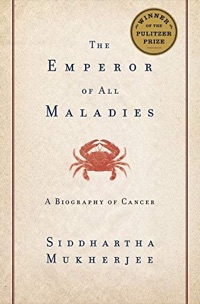 The Emperor of All Maladies: A Biography of Cancer
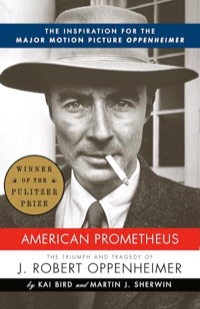 American Prometheus: The Triumph and Tragedy of J. Robert Oppenheimer
 How to Be an Antiracist
 The Immortal Life of Henrietta Lacks
 The Wright Brothers
 Hidden Valley Road: Inside the Mind of an American Family
Explore the best-of lists
All 36 best-of lists →







Quick answers
Is A Short History of Nearly Everything worth reading?
Yes. It was a finalist for the Samuel Johnson Prize and is one of the most popular science books ever written. It ranks #789 of the 2,816 books in our ranking, with a Must-Read Score of 75.1 (the best book we found scores 99).
What is A Short History of Nearly Everything about?
Bill Bryson realized he knew almost nothing about the planet he lived on, so he set out to learn: how the universe began, how we weighed the Earth, what atoms are, how life started, how the continents move and how humans came to be. He tells it through the scientists who figured it out, many of them wonderfully eccentric.
How long does it take to read A Short History of Nearly Everything?
About 18 hours (705 pages), or about 5 weeks at 30 minutes a day.
What should I read after A Short History of Nearly Everything?
If you liked it, try A Walk in the Woods: Rediscovering America on the Appalachian Trail by Bill Bryson, A Brief History of Time by Stephen Hawking or The Selfish Gene by Richard Dawkins.