 The Immortal Life of Henrietta Lacks
Score Modern
What it's about
In 1951 Henrietta Lacks, a young Black mother, was treated for cervical cancer at Johns Hopkins. Without her knowledge, doctors took some of her cells, and they did something no human cells had done before: they kept growing. Her cells, known as HeLa, went on to help develop the polio vaccine, cancer treatments and much more. Her family didn't find out for decades. Rebecca Skloot tells Henrietta's story and her family's.
Why it's worth reading
The Guardian named it one of the best books of the 21st century. It's a science story, a story about race and medical ethics, and a moving portrait of Henrietta's daughter Deborah.
You'll love it if you liked
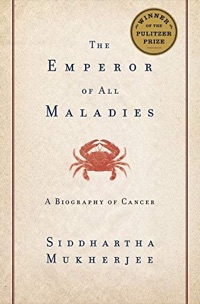 The Emperor of All Maladies: A Biography of Cancer
 Medical Apartheid
 When Breath Becomes Air
Good to know
Skloot is a character in the book, especially through her friendship with Deborah. The 2017 HBO film stars Oprah Winfrey.
By the numbers
- Readers70 out of 100 · counts 42%
- Critics51 out of 100 · counts 14%
- Bestseller77 out of 100 · counts 34% (its stronger lane)
- Buzz0 out of 100 · counts 10%
Critics and Bestseller are two ways to earn a place: a book's stronger one counts more. Buzz rewards recent bestseller weeks and prizes, so older books start at zero. The parts combine into the Must-Read Score, shown on a scale where the best book we found scores 99 and the last book to make the ranking scores 50.
Where it ranks
- #22 of the 119 science and ideas books we rank
- #51 of the 290 memoirs and biographies we rank
- #133 of the 1,573 modern books we rank
- #261 of the 2,816 books we rank
Why it made the list
Reads as
True story, Thought-provoking
If you like this, read next
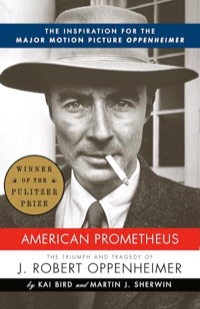 American Prometheus: The Triumph and Tragedy of J. Robert Oppenheimer
 How to Be an Antiracist
 The Wright Brothers
 Hidden Valley Road: Inside the Mind of an American Family
 How to Change Your Mind
 Einstein: His Life and Universe
Explore the best-of lists
All 36 best-of lists →
 Memoirs and biographiesTop 25 · 290 ranked
 Science and ideas booksTop 25 · 119 ranked
 Modern booksTop 25 · 1,573 ranked

 Books of the 2000sTop 25 · 490 ranked
 Fantasy booksTop 25 · 459 ranked

 Mysteries and thrillersTop 25 · 555 ranked
 Literary novelsTop 25 · 309 ranked

 Science fiction booksTop 25 · 313 ranked
Quick answers
Is The Immortal Life of Henrietta Lacks worth reading?
Yes. The Guardian named it one of the best books of the 21st century. It ranks #261 of the 2,816 books in our ranking, with a Must-Read Score of 82.4 (the best book we found scores 99).
What is The Immortal Life of Henrietta Lacks about?
In 1951 Henrietta Lacks, a young Black mother, was treated for cervical cancer at Johns Hopkins. Without her knowledge, doctors took some of her cells, and they did something no human cells had done before: they kept growing. Her cells, known as HeLa, went on to help develop the polio vaccine, cancer treatments and much more. Her family didn't find out for decades. Rebecca Skloot tells Henrietta's story and her family's.
How long does it take to read The Immortal Life of Henrietta Lacks?
About 10 hours (402 pages), or about 3 weeks at 30 minutes a day.
What should I read after The Immortal Life of Henrietta Lacks?
If you liked it, try The Emperor of All Maladies: A Biography of Cancer by Siddhartha Mukherjee, Medical Apartheid by Harriet A. Washington or When Breath Becomes Air by Paul Kalanithi.