 The Origins of Totalitarianism
Score Classic
What it's about
Hannah Arendt traces how the totalitarian regimes of Nazi Germany and Stalin's Soviet Union became possible: through the rise of modern antisemitism in 19th-century Europe, European imperialism from 1884 to the First World War, and the movements, propaganda and terror that made total domination work.
Why it's worth reading
It's on TIME's list of the 100 best nonfiction books and Le Monde's 100 books of the century. It remains one of the essential works of political thought.
You'll love it if you liked
 The Rise and Fall of the Third Reich: A History of Nazi Germany
 1984
 On Tyranny: Twenty Lessons From the Twentieth Century
Good to know
It's long and demanding. Many readers start with the third part, on totalitarianism itself.
By the numbers
- Readers54 out of 100 · counts 42%
- Critics59 out of 100 · counts 34% (its stronger lane)
- Bestseller35 out of 100 · counts 14%
- Buzz0 out of 100 · counts 10%
Critics and Bestseller are two ways to earn a place: a book's stronger one counts more. Buzz rewards recent bestseller weeks and prizes, so older books start at zero. The parts combine into the Must-Read Score, shown on a scale where the best book we found scores 99 and the last book to make the ranking scores 50.
Where it ranks
- #132 of the 198 history books we rank
- #295 of the 762 classics we rank
- #961 of the 2,816 books we rank
Why it made the list
Reads as
Thought-provoking, True story
If you like this, read next
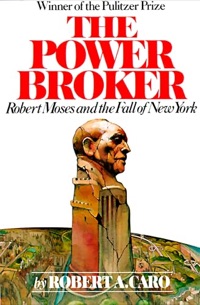 The Power Broker: Robert Moses and the Fall of New York
 The Fire Next Time
 Orientalism
 The Path to Power
 The Best and the Brightest
 All the President's Men
Explore the best-of lists
All 36 best-of lists →



















Quick answers
Is The Origins of Totalitarianism worth reading?
Yes. It's on TIME's list of the 100 best nonfiction books and Le Monde's 100 books of the century. It ranks #961 of the 2,816 books in our ranking, with a Must-Read Score of 73.4 (the best book we found scores 99).
What is The Origins of Totalitarianism about?
Hannah Arendt traces how the totalitarian regimes of Nazi Germany and Stalin's Soviet Union became possible: through the rise of modern antisemitism in 19th-century Europe, European imperialism from 1884 to the First World War, and the movements, propaganda and terror that made total domination work.
How long does it take to read The Origins of Totalitarianism?
About 13 hours (528 pages), or about 4 weeks at 30 minutes a day.
What should I read after The Origins of Totalitarianism?
If you liked it, try The Rise and Fall of the Third Reich: A History of Nazi Germany by William L. Shirer, 1984 by George Orwell or On Tyranny: Twenty Lessons From the Twentieth Century by Timothy Snyder.