 The Path to Power
Score Classic
What it's about
The first volume of Robert Caro's biography of Lyndon Johnson follows him from his impoverished childhood in the harsh Texas Hill Country through his relentless rise as a young congressman, ending with his first, failed Senate race in 1941. Along the way Caro shows how Johnson brought electricity to the Hill Country and how he learned to win and use power by any means.
Why it's worth reading
Caro is often called the greatest living biographer, and this is the start of his masterpiece: a gripping study of ambition and power. The chapter on the Hill Country women's lives before electricity is famous.
You'll love it if you liked
 Parting the Waters : America in the King Years 1954-63
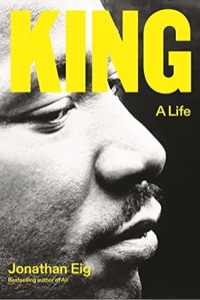 King: A Life
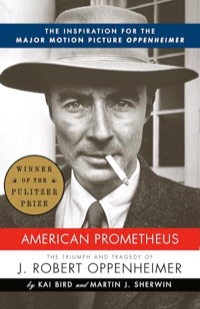 American Prometheus: The Triumph and Tragedy of J. Robert Oppenheimer
Good to know
It's nearly 900 pages and the first of five volumes (the fifth isn't yet published). You can stop after any volume.
By the numbers
- Readers98 out of 100 · counts 42%
- Critics54 out of 100 · counts 34% (its stronger lane)
- Bestseller16 out of 100 · counts 14%
- Buzz0 out of 100 · counts 10%
Critics and Bestseller are two ways to earn a place: a book's stronger one counts more. Buzz rewards recent bestseller weeks and prizes, so older books start at zero. The parts combine into the Must-Read Score, shown on a scale where the best book we found scores 99 and the last book to make the ranking scores 50.
Where it ranks
- #51 of the 198 history books we rank
- #56 of the 290 memoirs and biographies we rank
- #87 of the 762 classics we rank
- #283 of the 2,816 books we rank
Why it made the list
Reads as
True story
More by Robert Caro
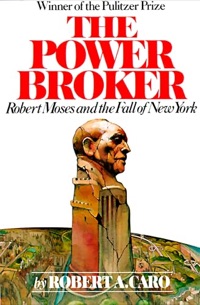 The Power Broker: Robert Moses and the Fall of New York
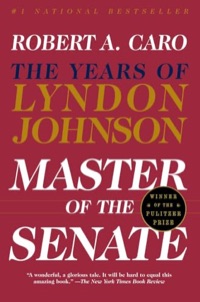 Master of the Senate
If you like this, read next
 The Autobiography of Benjamin Franklin
 The Rise of Theodore Roosevelt
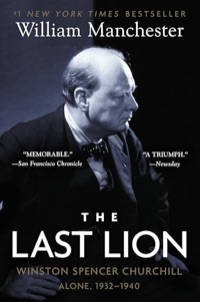 The Last Lion: Winston Spencer Churchill
 The Fire Next Time
 Orientalism
 Dispatches
Explore the best-of lists
All 36 best-of lists →













Quick answers
Is The Path to Power worth reading?
Yes. Caro is often called the greatest living biographer, and this is the start of his masterpiece: a gripping study of ambition and power. It ranks #283 of the 2,816 books in our ranking, with a Must-Read Score of 81.9 (the best book we found scores 99).
What is The Path to Power about?
The first volume of Robert Caro's biography of Lyndon Johnson follows him from his impoverished childhood in the harsh Texas Hill Country through his relentless rise as a young congressman, ending with his first, failed Senate race in 1941. Along the way Caro shows how Johnson brought electricity to the Hill Country and how he learned to win and use power by any means.
How long does it take to read The Path to Power?
About 24 hours (962 pages), or about 7 weeks at 30 minutes a day.
What awards has The Path to Power won?
NBCC Award (Nonfiction) winner (1982).
What should I read after The Path to Power?
If you liked it, try Parting the Waters : America in the King Years 1954-63 by Taylor Branch, King: A Life by Jonathan Eig or American Prometheus: The Triumph and Tragedy of J. Robert Oppenheimer by Kai Bird and Martin J. Sherwin.