 Range: Why Generalists Triumph in a Specialized World
Score Modern
What it's about
Experts often say the path to success is to start early, specialize and practice relentlessly. David Epstein argues the opposite: looking at top performers from athletes to Nobel laureates, he finds that generalists, people who sample widely, start later and switch fields, often do better, especially in a complex, unpredictable world.
Why it's worth reading
It has spent 38 weeks on the New York Times bestseller lists. It's a reassuring, well-researched case for curiosity, late starts and wide interests.
You'll love it if you liked
 Outliers: The Story of Success
 Thinking, Fast and Slow
 Atomic Habits
Good to know
It's full of stories, from Roger Federer to Vincent van Gogh. Parents and career-changers often find it especially useful.
By the numbers
- Readers78 out of 100 · counts 42%
- Critics0 out of 100 · counts 14%
- Bestseller64 out of 100 · counts 34% (its stronger lane)
- Buzz0 out of 100 · counts 10%
Critics and Bestseller are two ways to earn a place: a book's stronger one counts more. Buzz rewards recent bestseller weeks and prizes, so older books start at zero. The parts combine into the Must-Read Score, shown on a scale where the best book we found scores 99 and the last book to make the ranking scores 50.
Where it ranks
- #25 of the 85 self-help and business books we rank
- #40 of the 119 science and ideas books we rank
- #290 of the 1,573 modern books we rank
- #578 of the 2,816 books we rank
Why it made the list
Reads as
Practical, Thought-provoking
If you like this, read next
 Never Split the Difference: Negotiating as If Your Life Depended on It
 The Big Short: Inside the Doomsday Machine
 Being Mortal: Medicine and What Matters in the End
 Maybe You Should Talk to Someone
 The Ride of a Lifetime
 Elon Musk: Tesla, SpaceX, and the Quest for a Fantastic Future
Explore the best-of lists
All 36 best-of lists →
 Science and ideas booksTop 25 · 119 ranked
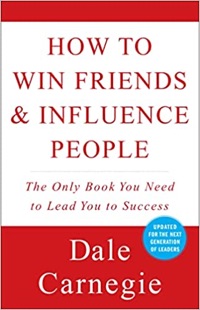
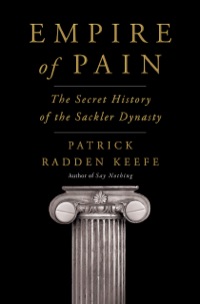 Self-help and business booksTop 25 · 85 ranked
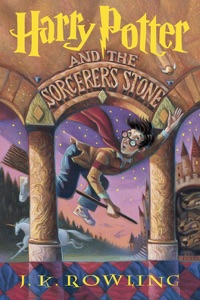

 Modern booksTop 25 · 1,573 ranked
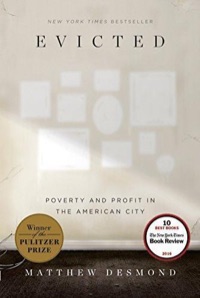 Books of the 2010sTop 25 · 736 ranked
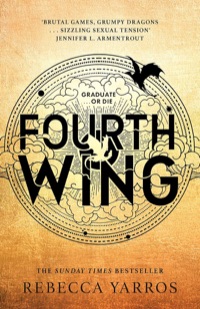 Fantasy booksTop 25 · 459 ranked


 Mysteries and thrillersTop 25 · 555 ranked
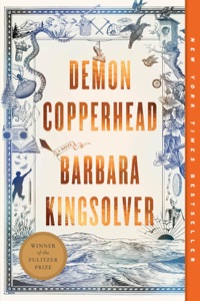
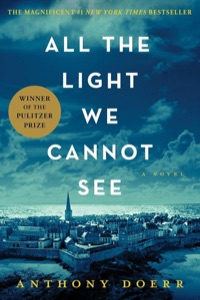
 Literary novelsTop 25 · 309 ranked
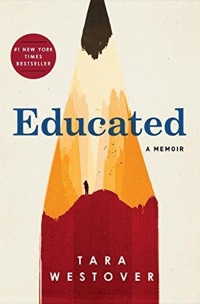
 Memoirs and biographiesTop 25 · 290 ranked
Quick answers
Is Range: Why Generalists Triumph in a Specialized World worth reading?
Yes. It has spent 38 weeks on the New York Times bestseller lists. It ranks #578 of the 2,816 books in our ranking, with a Must-Read Score of 77.4 (the best book we found scores 99).
What is Range: Why Generalists Triumph in a Specialized World about?
Experts often say the path to success is to start early, specialize and practice relentlessly. David Epstein argues the opposite: looking at top performers from athletes to Nobel laureates, he finds that generalists, people who sample widely, start later and switch fields, often do better, especially in a complex, unpredictable world.
How long does it take to read Range: Why Generalists Triumph in a Specialized World?
About 9 hours (352 pages), or about 3 weeks at 30 minutes a day.
What should I read after Range: Why Generalists Triumph in a Specialized World?
If you liked it, try Outliers: The Story of Success by Malcolm Gladwell, Thinking, Fast and Slow by Daniel Kahneman or Atomic Habits by James Clear.