 Midnight's Children
Score Classic
What it's about
Saleem Sinai was born at the stroke of midnight on August 15, 1947, the moment India became independent. He discovers he is telepathically linked to the 1,000 other children born in that first hour, each with a magical gift. Now, at thirty, he tells the story of his life and his family's, from his grandfather in Kashmir to the partition, the wars with Pakistan and the Emergency, as his fate mirrors his country's.
Why it's worth reading
It won the Booker Prize and was later named the best of all Booker winners, twice. It's on TIME's list of the best novels and the Modern Library's, and it changed world literature.
You'll love it if you liked
 A Fine Balance
 The Name of the Rose
 The Master and Margarita
Good to know
It's playful and digressive, and Saleem is a famously unreliable narrator. Some knowledge of modern Indian history helps, but isn't necessary.
By the numbers
- Readers40 out of 100 · counts 42%
- Critics99 out of 100 · counts 34% (its stronger lane)
- Bestseller53 out of 100 · counts 14%
- Buzz0 out of 100 · counts 10%
Critics and Bestseller are two ways to earn a place: a book's stronger one counts more. Buzz rewards recent bestseller weeks and prizes, so older books start at zero. The parts combine into the Must-Read Score, shown on a scale where the best book we found scores 99 and the last book to make the ranking scores 50.
Where it ranks
Why it made the list
Reads as
Moving, Thought-provoking
More by Salman Rushdie
 Quichotte
 Knife: Meditations After an Attempted Murder
 The Satanic Verses
 The Moor's Last Sigh
If you like this, read next
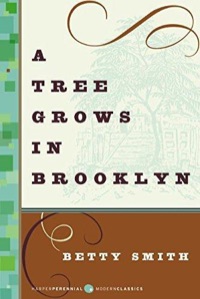 A Tree Grows in Brooklyn
 Beloved
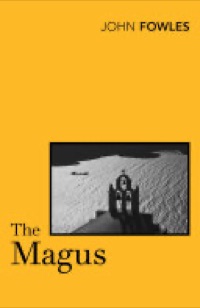 The Magus
 Pedro Páramo
 Gormenghast
 The Alchemist
Explore the best-of lists
All 36 best-of lists →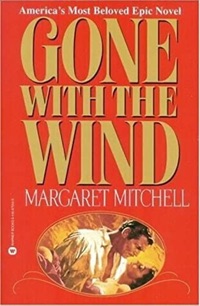
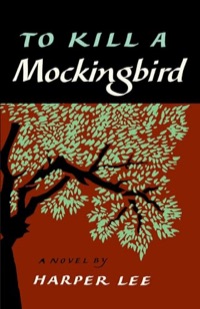









Quick answers
Is Midnight's Children worth reading?
Yes. It won the Booker Prize and was later named the best of all Booker winners, twice. It ranks #424 of the 2,816 books in our ranking, with a Must-Read Score of 79.4 (the best book we found scores 99).
What is Midnight's Children about?
Saleem Sinai was born at the stroke of midnight on August 15, 1947, the moment India became independent. He discovers he is telepathically linked to the 1,000 other children born in that first hour, each with a magical gift. Now, at thirty, he tells the story of his life and his family's, from his grandfather in Kashmir to the partition, the wars with Pakistan and the Emergency, as his fate mirrors his country's.
How long does it take to read Midnight's Children?
About 17 hours (674 pages), or about 5 weeks at 30 minutes a day.
What awards has Midnight's Children won?
Booker Prize winner (1981).
What should I read after Midnight's Children?
If you liked it, try A Fine Balance by Rohinton Mistry, The Name of the Rose by Umberto Eco or The Master and Margarita by Mikhail Bulgakov.