 Postwar: A History of Europe Since 1945
Score Modern
What it's about
Tony Judt's history of Europe from the ruins of 1945 to the start of the twenty-first century covers the whole continent, from Lisbon to Leningrad: rebuilding after the war, the Cold War division into East and West, the welfare state, 1968, the collapse of communism, and the long, uneasy project of European union. He weaves politics, economics and culture into a single story of how Europe remade itself.
Why it's worth reading
It's the masterpiece of modern European history, sharp, witty and enormously learned, and it makes sense of the continent we know today. It's on both the New York Times and Guardian lists of the best books of the century.
You'll love it if you liked
 Secondhand Time: The Last of the Soviets
 The Looming Tower: Al Qaeda and the Road to 9/11
 Battle Cry of Freedom: The Civil War Era
Good to know
At over 900 pages it's a serious commitment, but the chapters work as standalone essays, so many people read it over months.
By the numbers
- Readers95 out of 100 · counts 42%
- Critics90 out of 100 · counts 34% (its stronger lane)
- Bestseller16 out of 100 · counts 14%
- Buzz0 out of 100 · counts 10%
Critics and Bestseller are two ways to earn a place: a book's stronger one counts more. Buzz rewards recent bestseller weeks and prizes, so older books start at zero. The parts combine into the Must-Read Score, shown on a scale where the best book we found scores 99 and the last book to make the ranking scores 50.
Where it ranks
- #13 of the 198 history books we rank
- #32 of the 1,573 modern books we rank
- #63 of the 2,816 books we rank
Why it made the list
Reads as
True story
If you like this, read next
 Between the World and Me
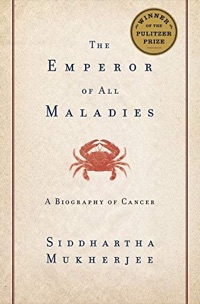 The Emperor of All Maladies: A Biography of Cancer
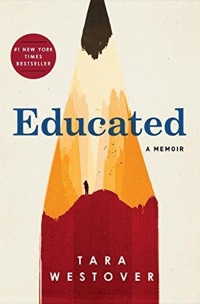 Educated: A Memoir
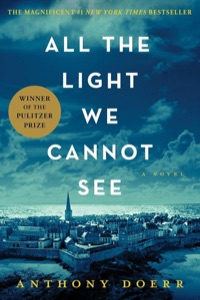 All the Light We Cannot See
 The Book Thief
 Americanah
Explore the best-of lists
All 36 best-of lists →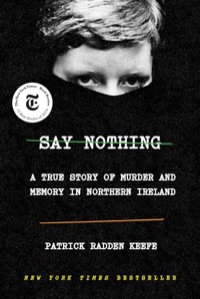







Quick answers
Is Postwar: A History of Europe Since 1945 worth reading?
Yes. It's the masterpiece of modern European history, sharp, witty and enormously learned, and it makes sense of the continent we know today. It ranks #63 of the 2,816 books in our ranking, with a Must-Read Score of 88.2 (the best book we found scores 99).
What is Postwar: A History of Europe Since 1945 about?
Tony Judt's history of Europe from the ruins of 1945 to the start of the twenty-first century covers the whole continent, from Lisbon to Leningrad: rebuilding after the war, the Cold War division into East and West, the welfare state, 1968, the collapse of communism, and the long, uneasy project of European union. He weaves politics, economics and culture into a single story of how Europe remade itself.
How long does it take to read Postwar: A History of Europe Since 1945?
About 22 hours (896 pages), or about 6 weeks at 30 minutes a day.
What should I read after Postwar: A History of Europe Since 1945?
If you liked it, try Secondhand Time: The Last of the Soviets by Svetlana Alexievich, The Looming Tower: Al Qaeda and the Road to 9/11 by Lawrence Wright or Battle Cry of Freedom: The Civil War Era by James M. McPherson.