 Cobalt Red: How the Blood of the Congo Powers Our Lives
What it's about
Almost every smartphone, laptop and electric car battery contains cobalt, and most of the world's cobalt comes from the Democratic Republic of the Congo. Siddharth Kara traveled to the mining regions of the southern Congo, where hundreds of thousands of people, including children, dig by hand in dangerous pits for a few dollars a day. He documents what they told him, and traces the supply chain from those pits to the world's biggest technology companies.
Why it's worth reading
It was a Pulitzer finalist and a Goodreads Choice finalist. It's an unforgettable exposé of what our devices cost.
You'll love it if you liked
 Voices From Chernobyl: The Oral History of a Nuclear Disaster
 We Wish to Inform You That Tomorrow We Will Be Killed with Our Families
 The Omnivore's Dilemma: A Natural History of Four Meals
Good to know
It includes descriptions of injuries and deaths of children. It's short, but hard to read.
By the numbers
- Readers88 out of 100 · counts 42%
- Critics32 out of 100 · counts 14%
- Bestseller37 out of 100 · counts 34% (its stronger lane)
- Buzz51 out of 100 · counts 10%
Critics and Bestseller are two ways to earn a place: a book's stronger one counts more. Buzz rewards recent bestseller weeks and prizes, so older books start at zero. The parts combine into the Must-Read Score, shown on a scale where the best book we found scores 99 and the last book to make the ranking scores 50.
Where it ranks
- #18 of the 85 self-help and business books we rank
- #69 of the 198 history books we rank
- #69 of the 481 new books we rank
- #371 of the 2,816 books we rank
Why it made the list
Reads as
True story
If you like this, read next
 Elon Musk
 1929
 Empire of AI: Dreams and Nightmares in Sam Altman's OpenAI
 Principles for Dealing with the Changing World Order
 The Big Short: Inside the Doomsday Machine
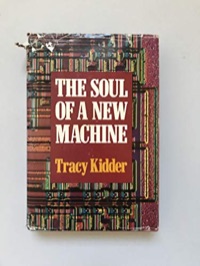 The Soul of a New Machine
Explore the best-of lists
All 36 best-of lists →


















Quick answers
Is Cobalt Red: How the Blood of the Congo Powers Our Lives worth reading?
Yes. It was a Pulitzer finalist and a Goodreads Choice finalist. It ranks #371 of the 2,816 books in our ranking, with a Must-Read Score of 80.4 (the best book we found scores 99).
What is Cobalt Red: How the Blood of the Congo Powers Our Lives about?
Almost every smartphone, laptop and electric car battery contains cobalt, and most of the world's cobalt comes from the Democratic Republic of the Congo. Siddharth Kara traveled to the mining regions of the southern Congo, where hundreds of thousands of people, including children, dig by hand in dangerous pits for a few dollars a day. He documents what they told him, and traces the supply chain from those pits to the world's biggest technology companies.
How long does it take to read Cobalt Red: How the Blood of the Congo Powers Our Lives?
About 7 hours (288 pages), or about 2 weeks at 30 minutes a day.
What should I read after Cobalt Red: How the Blood of the Congo Powers Our Lives?
If you liked it, try Voices From Chernobyl: The Oral History of a Nuclear Disaster by Svetlana Alexievich, We Wish to Inform You That Tomorrow We Will Be Killed with Our Families by Philip Gourevitch or The Omnivore's Dilemma: A Natural History of Four Meals by Michael Pollan.