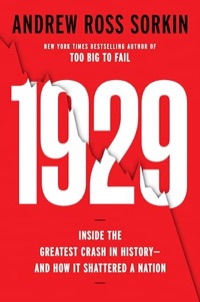
 1929
1929
What it's about
Andrew Ross Sorkin, the author of Too Big to Fail, tells the story of the 1929 stock market crash. He follows the bankers, brokers, politicians and regulators who fueled the bull market of the 1920s, and the ordinary Americans who borrowed to buy in, through the wild days of October 1929, when the market collapsed, and into the Depression that followed. He draws on archival material to show how the crash happened and who was responsible.
Why it's worth reading
It spent weeks at #1 on the New York Times list and was a Goodreads Choice finalist. It reads like a thriller, and its lessons about speculation and debt feel timely.
You'll love it if you liked
 The Power Broker: Robert Moses and the Fall of New York
 Moneyball
 No Ordinary Time
Good to know
It has a big cast of financiers. You don't need a background in finance.
By the numbers
- Readers62 out of 100 · counts 42%
- Critics0 out of 100 · counts 14%
- Bestseller64 out of 100 · counts 34% (its stronger lane)
- Buzz75 out of 100 · counts 10%
Critics and Bestseller are two ways to earn a place: a book's stronger one counts more. Buzz rewards recent bestseller weeks and prizes, so older books start at zero. The parts combine into the Must-Read Score, shown on a scale where the best book we found scores 99 and the last book to make the ranking scores 50.
Where it ranks
- #24 of the 85 self-help and business books we rank
- #93 of the 198 history books we rank
- #98 of the 481 new books we rank
- #542 of the 2,816 books we rank
Why it made the list
Reads as
True story
More by Andrew Ross Sorkin
If you like this, read next
 Cobalt Red: How the Blood of the Congo Powers Our Lives
 Elon Musk
 Empire of AI: Dreams and Nightmares in Sam Altman's OpenAI
 Principles for Dealing with the Changing World Order
 The Big Short: Inside the Doomsday Machine
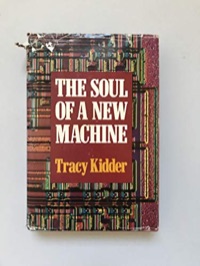 The Soul of a New Machine
Explore the best-of lists
All 36 best-of lists →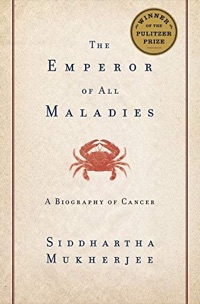






Quick answers
Is 1929 worth reading?
Yes. It spent weeks at #1 on the New York Times list and was a Goodreads Choice finalist. It ranks #542 of the 2,816 books in our ranking, with a Must-Read Score of 77.9 (the best book we found scores 99).
What is 1929 about?
Andrew Ross Sorkin, the author of Too Big to Fail, tells the story of the 1929 stock market crash. He follows the bankers, brokers, politicians and regulators who fueled the bull market of the 1920s, and the ordinary Americans who borrowed to buy in, through the wild days of October 1929, when the market collapsed, and into the Depression that followed. He draws on archival material to show how the crash happened and who was responsible.
How long does it take to read 1929?
About 15 hours (592 pages), or about 4 weeks at 30 minutes a day.
What should I read after 1929?
If you liked it, try The Power Broker: Robert Moses and the Fall of New York by Robert Caro, Moneyball by Michael Lewis or No Ordinary Time by Doris Kearns Goodwin.